
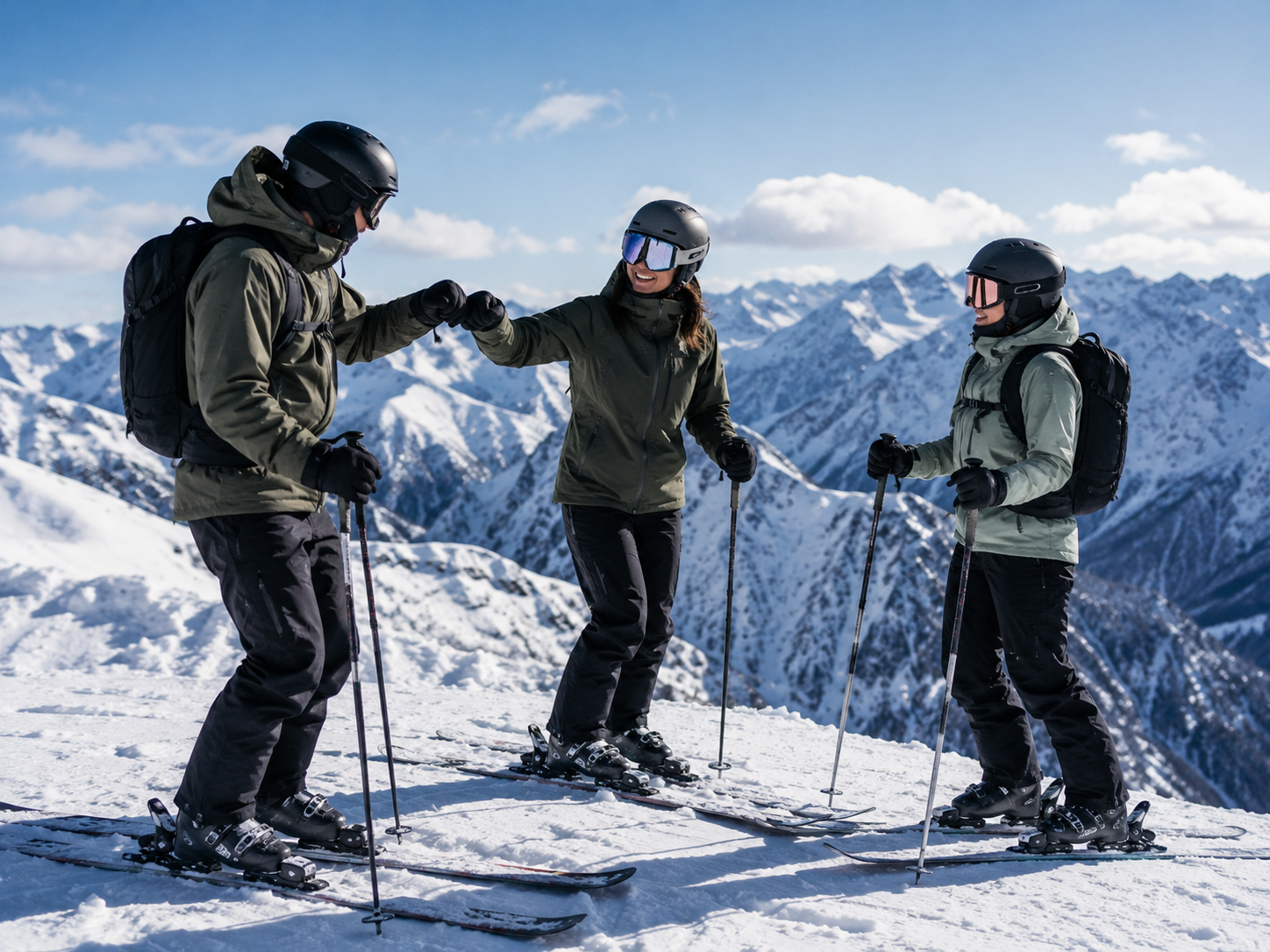
The Rise of Winter Sports: From Survival on Snow to a Global Mountain Lifestyle
Winter sports did not begin as entertainment. Long before skiing became a holiday activity, a competitive sport, or a lifestyle symbol, it was a practical way to survive in snow-covered regions. People needed to travel across frozen landscapes, hunt in winter, move between villages, and carry supplies when deep snow made walking difficult. In that sense, the earliest winter sports were not “sports” at all — they were a response to nature.
Today, however, winter sports have become something much larger. Skiing, snowboarding, skating, snow hiking, and other cold-weather activities now represent freedom, adventure, self-challenge, family travel, and a growing global outdoor culture. From ancient wooden skis to modern ski resorts and technical winter clothing, the story of winter sports is also the story of how people learned to move with the mountain instead of against it.
The Ancient Roots of Winter Sports
Skiing is one of the oldest forms of winter movement. According to Britannica, the oldest known skis date back to around 8000–7000 BCE, and skiing was used by people living in snowy climates for travel, recreation, and even military purposes. Over time, what began as a way to cross snow gradually became a cultural practice and later a modern sport.
This origin matters because it explains why winter sports still feel so deeply connected to nature. Unlike many modern fitness activities that happen indoors, winter sports take place in changing mountain environments. Snow texture, temperature, wind, visibility, terrain, altitude, and weather all shape the experience. Every run feels slightly different because the mountain itself is never exactly the same.
That unpredictability is part of the attraction. Winter sports are not only about speed or technique; they are about adapting to nature, reading the snow, trusting your body, and finding confidence in a landscape that can feel both beautiful and demanding.
From Transportation to Recreation
The transformation of winter sports into recreation accelerated in the 19th and 20th centuries. As ski techniques improved, mountain tourism developed, and resorts became more accessible, skiing moved from a survival skill into a leisure activity. Eventually, ski schools, lift systems, winter resorts, and organized competitions helped turn snow sports into a global industry.
The rise of the Winter Olympic Games also played a major role. Competitive skiing, skating, bobsleigh, luge, snowboarding, freestyle events, and other disciplines gave winter sports international visibility. What was once limited to cold mountain regions became a worldwide aspiration: people traveled not only to see the mountains, but to experience them through movement.
This shift changed how people viewed winter itself. Snow was no longer only something to endure. It became something to celebrate.
Why People Fell in Love With Winter Sports
The popularity of winter sports cannot be explained by performance alone. Most people who ski or snowboard are not professional athletes. They are families, friends, beginners, travelers, outdoor lovers, and people looking for a break from daily routines.
Winter sports offer something emotionally powerful: a sense of escape. A day on the mountain can feel completely different from ordinary life. The air is colder, the view is wider, the body is more awake, and the mind becomes focused on the present moment. When you are moving through snow, you are not thinking about emails, schedules, or daily pressure. You are thinking about balance, speed, turning, stopping, and the next stretch of slope ahead.
That is one reason winter sports create such strong memories. People remember their first fall, their first smooth turn, their first lift ride, their first family snow trip, and the first time they understood why others kept coming back to the mountain.
A Growing Global Market
Winter sports are also a significant and growing market. Grand View Research estimated the global snow sports apparel market at USD 2.65 billion in 2023 and projected it to grow at a compound annual growth rate of 7.3% from 2024 to 2030, supported by the popularity of skiing and snowboarding.
The broader winter sports equipment market is also expected to expand. Mordor Intelligence estimated the winter sports equipment market at USD 18.76 billion in 2026 and projected it to reach USD 24.55 billion by 2031, with a CAGR of 5.52%.
These numbers reflect a deeper trend: winter sports are no longer only for highly experienced athletes. More consumers are entering through ski vacations, beginner lessons, family trips, snowboarding culture, winter outdoor travel, and lifestyle-driven mountain experiences. As participation becomes more diverse, the demand for practical winter clothing, protective gear, gloves, face coverings, thermal layers, padded shorts, knee guards, wrist guards, and other essentials continues to grow.
Participation Shows the Strength of the Culture
The United States remains one of the most important winter sports markets. According to the National Ski Areas Association, the 2023–24 season recorded about 60.4 million skier visits, ranking as the fifth-best season on record since NSAA began tracking visits in 1978–79.
This kind of participation shows that winter sports are not simply a niche hobby. They are part of a larger outdoor recreation culture. People return to ski areas because the experience combines sport, travel, scenery, social connection, and seasonal tradition. For many families and friend groups, a winter trip becomes an annual ritual.
The mountain is not just a place to perform. It is a place to gather, reset, challenge yourself, and create memories.
The Role of Gear in the Rise of Winter Sports
As winter sports became more popular, gear became more important. Early winter clothing was often heavy, stiff, and limited in function. Modern ski clothing and protective gear are different because they must balance several needs at once: warmth, waterproofing, breathability, mobility, durability, and comfort.
This balance is especially important because skiing and snowboarding involve changing intensity. A skier may feel cold while sitting on a lift, then start sweating during a long run or backcountry climb. Snow can be dry and powdery one moment, wet and heavy the next. A beginner may fall often, while an experienced rider may need more mobility and ventilation.
That is why winter sports gear is not just about looking ready for the mountain. It directly shapes the experience. When clothing keeps the body warm and dry, and protective pieces help reduce the fear of falls, people can focus more on learning, exploring, and enjoying the snow.
For beginners, gear can make the difference between a day that feels painful and overwhelming and a day that feels exciting enough to try again. For experienced riders, gear supports longer days, better movement, and more confidence in changing conditions.
Future Trend 1: More Beginner-Friendly Winter Sports
One major future trend is accessibility. Resorts, brands, and winter communities are increasingly paying attention to beginners, families, younger participants, and casual riders. The next stage of winter sports growth will not come only from experts. It will come from people who want winter activities to feel less intimidating.
This creates strong demand for gear that is easy to understand, easy to wear, and practical for real snow days. Instead of only focusing on extreme performance, many consumers want products that help them stay warm, protected, and comfortable from the first lesson to the last run of the day.
For brands, this means product storytelling should speak to real concerns: cold hands, wet clothes, fear of falling, unclear layering choices, children’s comfort, and the anxiety of preparing for a first ski trip.
Future Trend 2: Protection Becomes Part of Confidence
Protective gear is likely to become more important as more new participants enter snow sports. Padded ski shorts, wrist guards, knee guards, helmets, face coverings, and gloves are not just technical accessories. They help people feel psychologically ready.
This is especially true in snowboarding, where beginners often fall backward or use their hands to break a fall. Protection does not remove risk, but it can reduce hesitation. When people feel better prepared, they are more willing to practice, stand back up, and continue learning.
In the future, protective gear may become less like “extra equipment” and more like a normal part of the beginner snow-sports kit.
Future Trend 3: Climate Change Will Reshape the Industry
The future of winter sports also faces a serious challenge: climate change. The World Meteorological Organization and the International Ski and Snowboard Federation announced a partnership in 2024 to raise awareness of the impact of climate change on winter sports and tourism, warning that snow-dependent sports and mountain economies face increasing pressure as warming affects snow reliability.
This does not mean winter sports will disappear, but it does mean the industry will have to adapt. Resorts may rely more on snowmaking, higher-altitude terrain, season management, and year-round mountain tourism. Consumers may become more aware of sustainability, durability, and responsible outdoor behavior. Brands may face growing expectations to support longer-lasting products, thoughtful consumption, and respect for mountain environments.
The emotional value of snow may also become stronger. As reliable winter conditions become less certain in some regions, people may value each snow day even more.
Future Trend 4: Winter Sports Become a Lifestyle, Not Just a Sport
Another key trend is the blending of performance and lifestyle. Ski clothing and snow gear are no longer used only on the slope. Many consumers want pieces that work for winter travel, resort days, outdoor photos, cold-weather commuting, snow hiking, and mountain vacations.
This shift opens the door for winter brands to speak beyond technical performance. The future of winter sports is also about identity: people want to feel adventurous, prepared, connected to nature, and part of a mountain culture.
That is why modern winter sports storytelling should not only say, “This jacket is waterproof.” It should also say, “This helps you enjoy the cold morning, the lift ride, the fall, the laugh, and the mountain view you came for.”
Conclusion: The Mountain Still Calls
Winter sports began as a way to move through snow, but they became a way to experience freedom.
Their history is rooted in survival, travel, and adaptation. Their rise came through recreation, resorts, competition, and global outdoor culture. Their future will be shaped by accessibility, protection, lifestyle, climate awareness, and the desire for meaningful time outside.
People love winter sports because they offer something rare in modern life: a chance to leave routine behind, feel the body fully awake, share real moments with others, and discover courage in a cold and beautiful place.
Whether someone is stepping onto snow for the first time or returning to the mountain year after year, the reason is often the same.
The mountain gives people a feeling they want to come back to.